Navigating the Evolving Landscape of Hemp-Derived Products
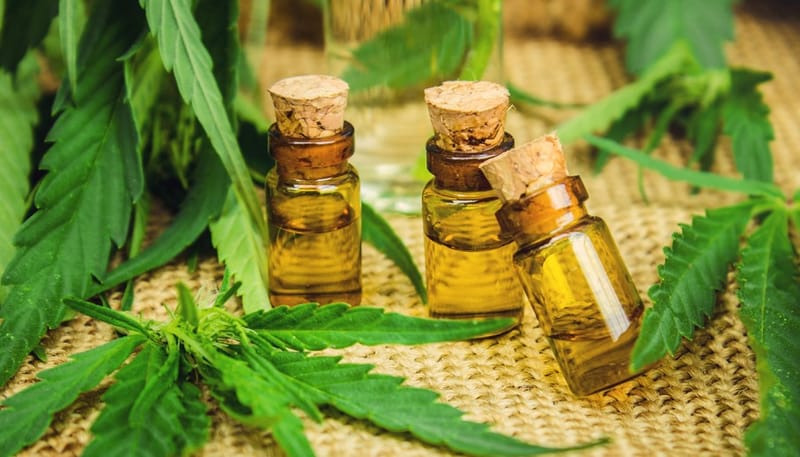
The hemp-derived products industry has undergone significant evolution in recent years, with a surge in consumer interest and market innovation. As lifestyles lean towards natural alternatives for relaxation, focus, and overall well-being, products such as torch vapes have become increasingly popular among enthusiasts. This article explores the dynamic world of hemp-derived products and their emerging role in contemporary wellness routines.
1. Understanding Hemp-Derived Products
Hemp-derived products are formulated from the industrial hemp plant, a variety of Cannabis sativa that contains minimal concentrations of THC — the psychoactive component commonly associated with marijuana. Unlike its cousin, hemp is legal at the federal level in the United States under certain regulations, enabling a diverse range of non-intoxicating products to enter the market.
2. The Rise of Torch Vapes
Torch vapes have swiftly risen to prominence within the hemp product sphere. These devices offer a convenient and discreet method for consuming hemp extracts such as CBD or other cannabinoids that fit into people's daily lives seamlessly. With an emphasis on portability and ease-of-use, torch vapes provide an accessible option for individuals looking to integrate hemp-derived compounds into their regimen.
3. Emphasis on Quality and Safety
With any product intended for consumption or personal use, quality and safety remain paramount concerns. Hemp-derived product providers often prioritize third-party lab testing to ensure purity and potency standards are met consistently. Customers can usually access these results to verify that what they're purchasing aligns with their health objectives and complies with industry guidelines.
4. A Diverse Product Range
Beyond torch vapes, the array of available hemp-derived offerings spans several categories including tinctures, topicals, edibles, capsules, and more recently kratom products. Each format serves distinct usage preferences and purposes — from quick-acting vape inhalation methods to longer-lasting edible effects.
5. Educating Consumers about Hemp Benefits
A key aspect of growing the hemp-derived product industry involves educating consumers about potential benefits without overstating claims. While research continues to explore how components like CBD may interact with bodily systems for various effects such as relaxation or improved sleep quality, providers must navigate this space responsibly by offering insights grounded in current knowledge.
6. Staying Updated with Regulations
The regulatory environment surrounding hemp derivatives is continually evolving at both federal and state levels. Vendors must stay abreast of changes in legislation to ensure compliance while adapting their offerings accordingly — a process that ultimately benefits consumers through higher industry standards.
7. Environmental Considerations
As sustainability becomes an ever-important factor in consumer choices, many producers of hemp-derived products strive for eco-friendliness within their operations — be it through organic farming practices or biodegradable packaging solutions.
8. Supporting Local Economies
Companies operating within this industry often contribute positively to local economies by providing jobs related not only to retail but also agriculture and manufacturing sectors linked directly to hemp production.
In conclusion, the world of hemp-derived products is rich with opportunity for those seeking alternative avenues towards maintaining health and wellness lifestyles. From innovative torch vapes facilitating ease-of-use to various other product formats catering to individual needs — this market continues expanding while prioritizing quality control measures essential for consumer trust.
